STUDY SKILLS · CLASS 10 & 12 · 2027 GUIDE
Study Habits That Separate Board Toppers from Average Students
What actually makes board preparation effective? A practical, India-focused guide to steady routines, active recall, classroom learning, mock-test review, screen discipline and wellbeing—updated for 2027.

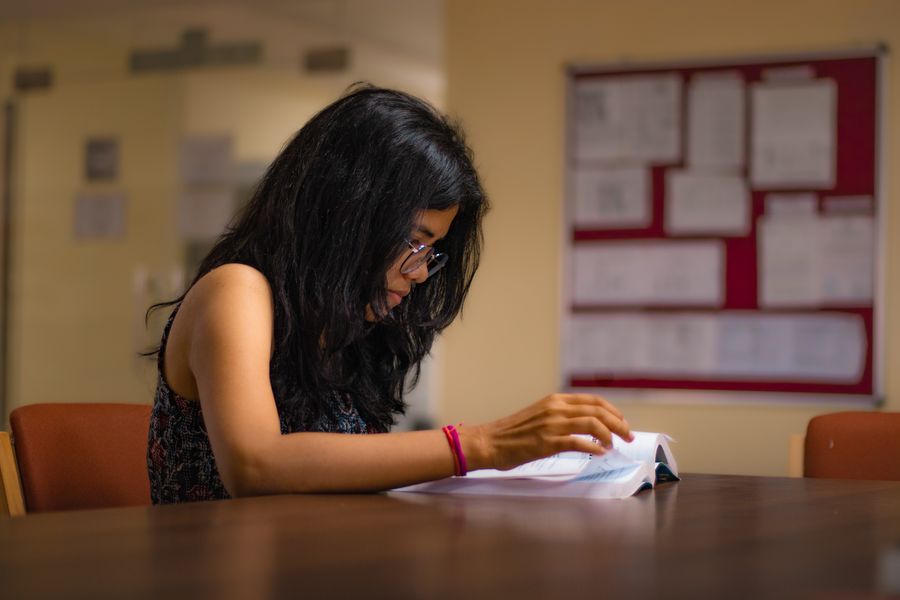
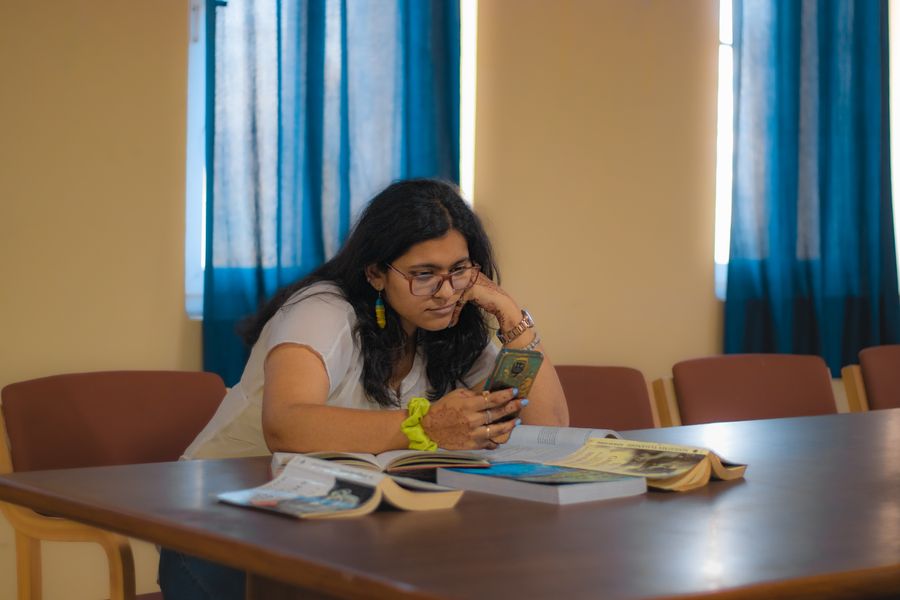
Indian students studying together with textbooks and a laptop on campus.
What study habits actually distinguish strong board-exam preparation?
Quick answer: Students who prepare consistently tend to set specific daily goals, listen closely in class, test their memory without looking at notes, practise exam-style questions, review mistakes and protect sleep. These habits are learnable—they are not personality traits reserved for “toppers”.
For Indian Class 10 and Class 12 students preparing for their 2027 board examinations, the biggest useful shift is from hours spent studying to evidence of learning: What can you recall, explain, solve and write under exam conditions?
| Less useful habit | More useful alternative | Why it helps |
|---|---|---|
| Reading a chapter repeatedly | Close the book and answer questions | Reveals what you have actually retained |
| Studying without a target | Finish one topic plus a short self-test | Gives the session a measurable outcome |
| Waiting until just before exams | Revisit the same concept across several days | Reduces last-minute relearning |
| Ignoring a low mock score | Classify errors, then retry similar questions | Turns feedback into the next practice task |
| Copying a topper’s long timetable | Build a routine that fits your school and sleep | Supports steady effort without exhaustion |
Important: “Topper” and “average student” are labels, not fixed abilities. Exam results depend on many factors, including access to resources, health, previous learning, exam conditions and support. These habits can help improve preparation, not guarantee a rank.
How effective study habits differ from common unproductive routines
There is no single routine shared by every high scorer. The comparison below illustrates practical differences in study behaviour, not a judgment of students or their intelligence.
| Dimension | Productive preparation habit | Common trap to avoid |
|---|---|---|
| Daily plan | 2–3 achievable learning tasks | A long to-do list with no priorities |
| School lesson | Ask a question and note the core concept | Assume everything will be learned later |
| Revision | Retrieve yesterday’s ideas from memory | Only reread highlighted lines |
| Past papers | Solve, check and analyse mistakes | Collect question papers without using them |
| Phone | Keep nonessential alerts off while studying | Switch between chats and textbooks |
| Health | Make time for sleep and breaks | Stay up repeatedly to “complete” everything |
| Weekly tracking | Update weak-topic list using evidence | Compare only total study hours |

Research synthesised by the Association for Psychological Science identifies practice testing and distributed practice as broadly useful learning techniques; highlighting and rereading alone are generally less reliable. See the research summary.
1. Build a realistic daily study routine, not an exhausting timetable
Build a schedule that includes school, tuition where needed, self-study, revision, breaks, movement and buffer time. An effective routine leaves enough space for family commitments, commuting and unplanned homework.
- 1Fix non-negotiable activities
Block school, travel, meals, family duties and sleep before assigning extra study hours.
- 2Choose two priority tasks
One weak or urgent topic and one maintenance revision task are a good starting point.
- 3Use focused blocks
Try 30–50 minutes of work followed by a short break; adjust based on concentration and task.
- 4Leave recovery time
Reserve some time for sports, hobbies and time away from devices.
- 5Review, do not punish
If plans change, move unfinished work thoughtfully instead of extending study into sleeping hours.
If a digital tool is easier than a notebook, use the Mass Graduates digital planners and habit-tracking guide to build a weekly overview.
2. Use classroom time actively so evenings become easier
School is already a large learning block. Paying attention during explanations reduces the amount of material you need to relearn alone.
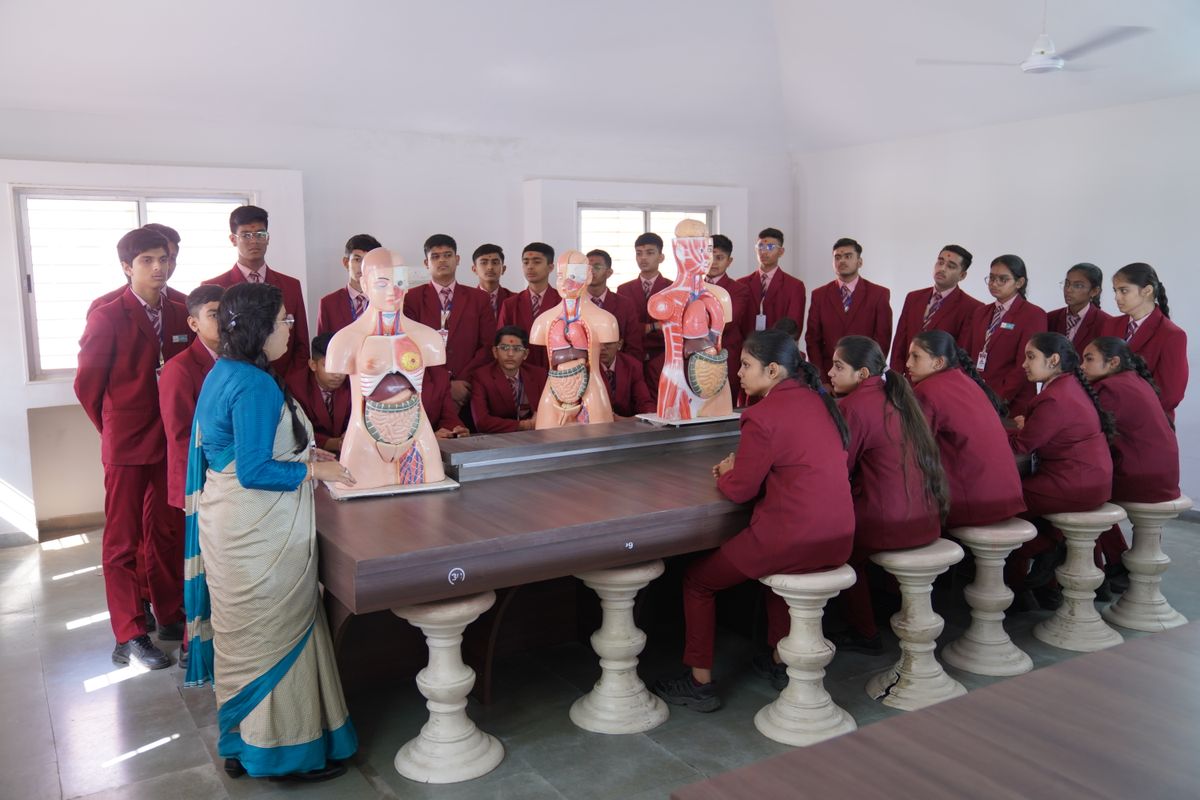
School notes are a starting point—not a substitute for practice. A short same-day recap can help you spot what still needs attention.
3. Treat tuition as targeted support, not a replacement for studying
Coaching can help with a confusing chapter or provide feedback, but attending more classes does not automatically mean more learning. If tuition crowds out independent practice or sleep, assess its value.
- 1Before tuition
Write two precise doubts: “Why does this step work?” is better than “I do not understand anything.”
- 2During the class
Attempt examples, check the reasoning and ask for an alternative explanation where necessary.
- 3After the class
Solve one similar question unaided and correct the step at which you get stuck.

Tuition is optional. Students can also progress through classroom teaching, textbooks, independent practice, school doubt sessions and peer discussion. Add coaching only where it solves a real gap.
4. Make self-study active: recall, explain and solve
Passive reading can make a page feel familiar without showing whether you can reproduce an answer. To check comprehension, put your notes aside and work from memory.
- 1Learn a small concept
Use NCERT or the textbook prescribed for your board and understand one example fully.
- 2Close the material
Write a short explanation, key equation or diagram from memory.
- 3Solve an unfamiliar task
Attempt a question without immediately checking the solution.
- 4Check and correct
Compare your work with a reliable answer or teacher’s feedback.
- 5Schedule a retry
Return to missed ideas after a gap to see whether learning persists.

Learn more ways to shift from effort to understanding in our study smart instead of hard guide.
5. Revise over time instead of cramming the night before
Revisiting a topic after time has passed makes you work harder to retrieve it; that is often a useful part of learning. The dates below are an example schedule, not a proven perfect interval.
| Checkpoint | What to do | Illustration |
|---|---|---|
| Same day | Recall the lesson without notes | List three important ideas |
| A few days later | Self-test and revisit errors | Solve two fresh questions |
| About a week later | Mix old and new topics | Attempt a short chapter quiz |
| Later in the month | Retry missed exam-style questions | Explain old errors correctly |
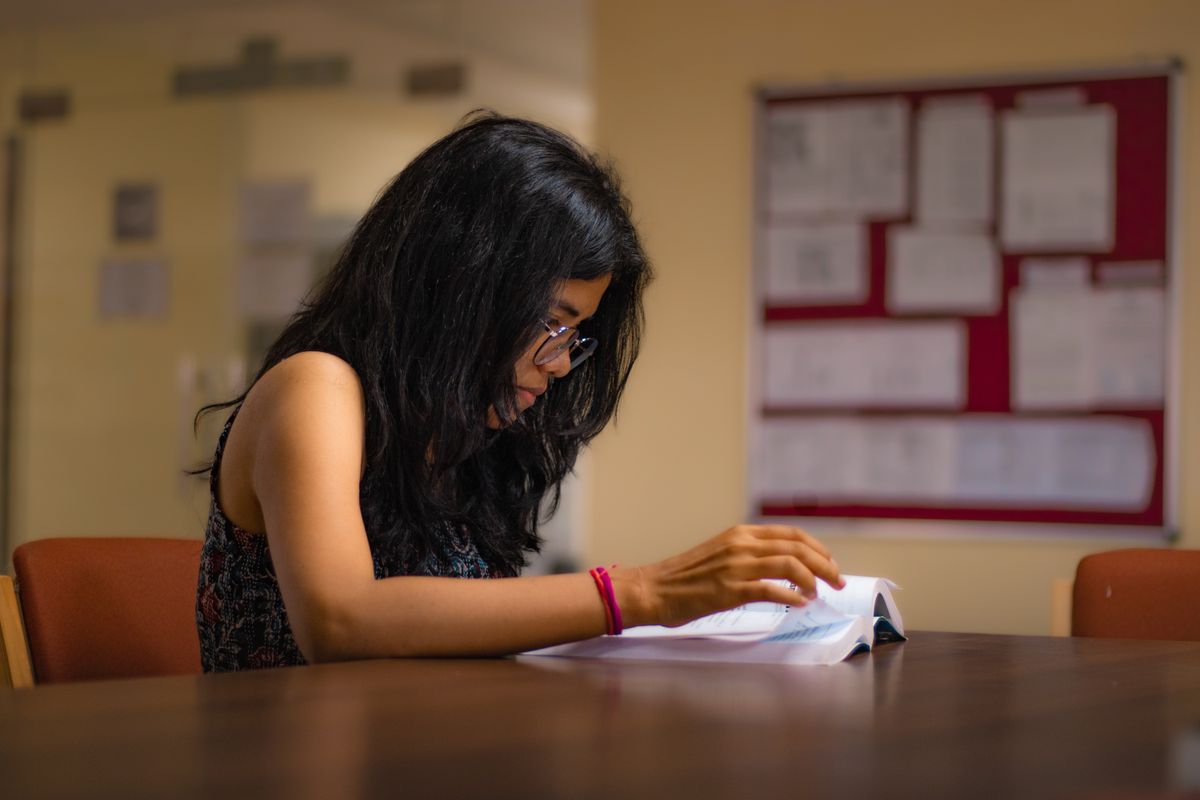
Use flashcards, written questions, short oral explanations or past-paper tasks as appropriate for the subject. For more practice ideas, read science-backed revision strategies.
6. Prioritise weak chapters and high-value learning gaps
Do not spend every evening polishing chapters that are already comfortable. Balance necessary syllabus coverage with the topics where extra work can realistically improve your performance.
| Topic status | Action today | Review signal |
|---|---|---|
| Weak and important | Relearn the foundation; solve two examples | Can you explain the method unaided? |
| Known but error-prone | Do timed questions and analyse mistakes | Are the same errors recurring? |
| Strong and recently revised | Maintain with quick retrieval | Can you still recall it next week? |
| New chapter | Understand core terms and worked examples | Can you attempt the first practice set? |
Use official/current syllabus documents issued by CBSE Academic or your own board, not guessed “2027 weightage” lists. Requirements for individual board sessions must be confirmed as they are published.
7. Use previous-year questions and mock tests as diagnostic tools
Practising the exam format helps you discover where time, clarity or accuracy is lost. Do not treat one test score as a prediction of your final result.
- 1Choose suitable questions
Start with a chapter-wise set from your board’s relevant syllabus and available past papers.
- 2Try under realistic conditions
Write complete workings or structured paragraphs as the actual question demands.
- 3Mark with a key or feedback
Compare with reliable marking guidance where available.
- 4Diagnose the reason
Record concept errors, memory gaps, calculation slips, time pressure or presentation issues.
- 5Retest the error
Solve a similar question after revision instead of just copying the correction.
Also see our guide to common board-exam preparation mistakes.
8. Control recreational screen time while using technology purposefully
A phone can be useful for learning and disruptive for concentration. The goal is not to ban screens but to distinguish purposeful use from habit-driven checking.
| Situation | Useful boundary | What to avoid |
|---|---|---|
| Written problem-solving | Keep the phone outside easy reach | Notifications during calculations |
| Video lesson | Set one learning question before watching | Autoplay recommendations and unrelated videos |
| Study break | Stand up, drink water or take a short walk | Starting an endless-scroll feed |
| Night-time | Choose a consistent wind-down routine | Letting entertainment delay bedtime |
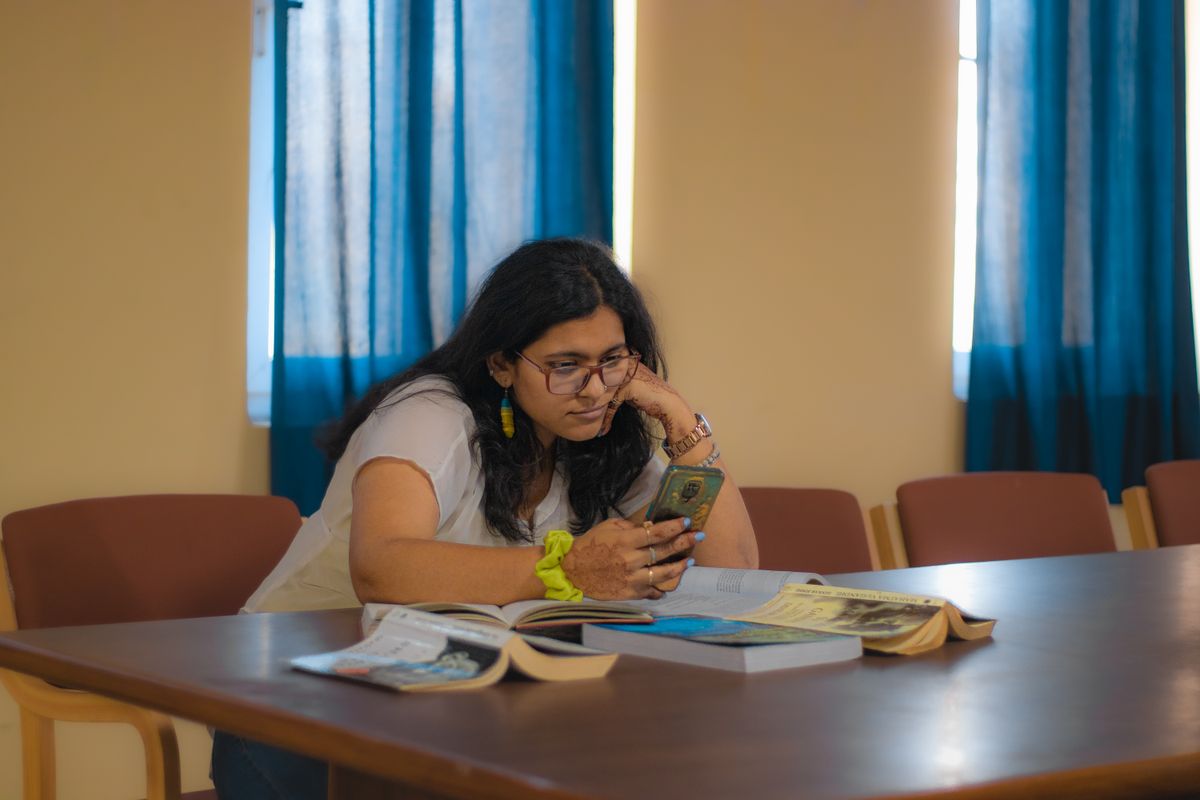
Read the digital minimalism and student concentration guide for ways to reduce unnecessary checking.
9. Protect sleep, movement and breaks as part of exam preparation
Late-night study is not automatically productive. Most teenagers aged 13–18 need approximately 8–10 hours of sleep per 24 hours, according to public-health guidance. Consistent sleep supports attention and the ability to learn.
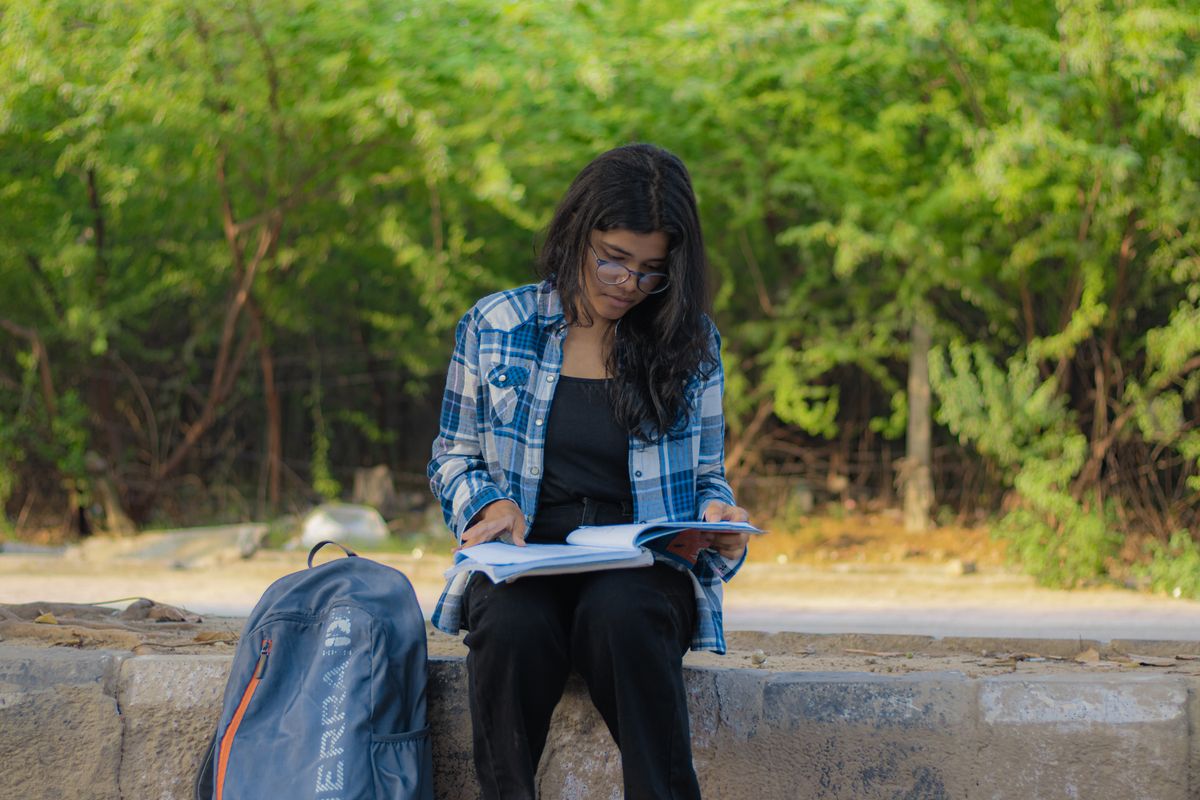
For the sleep recommendation, see the CDC’s adolescent sleep guidance. For exam-related stress, our student stress guide provides practical coping strategies.
10. Maintain a mistake log to turn feedback into improvement
A short error log is more useful than collecting piles of solved papers without reviewing them. Keep only the mistakes that reveal a lesson you need to practise.
| Question/topic | Type of error | What to practise next | Retest date |
|---|---|---|---|
| Quadratic equation | Sign error | Rework factorisation carefully | After two days |
| Biology definition | Missed key phrase | Recall the definition from memory | This weekend |
| History long answer | Weak answer structure | Plan points before writing | Next practice |
| Physics numerical | Misread unit conversion | Do two unit-based examples | After three days |
When a wrong answer repeats, reduce the difficulty temporarily and relearn the prerequisite. When errors are careless, slow down and practise the checking step you skipped.
11. Review your progress every week—not your classmates’ hours
A ten-minute weekly check can show which parts of your timetable work. Use evidence you can control: topics covered, retrieval scores, corrected errors and rest.
- 1Mark completed topics
Note what was learned and what still requires practice.
- 2Review the mistake log
Choose the two most recurring error patterns.
- 3Look at concentration
Which study blocks were interrupted by phone use or fatigue?
- 4Adjust next week
Reduce low-priority work, include buffers and maintain sleep.
- 5Choose one improvement
Make a small, observable habit change for the next seven days.
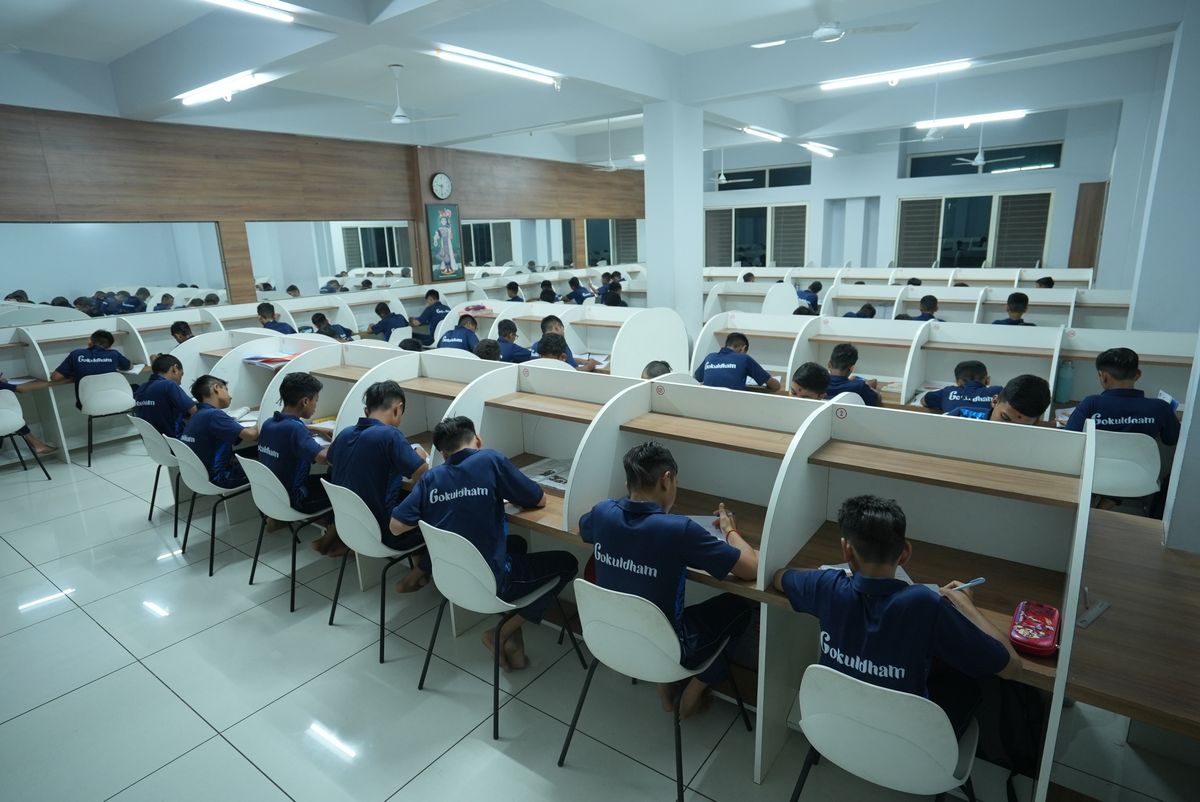
12. Adapt your habits to Science, Commerce and Humanities
The same study principle may require a different activity depending on the subject. Choose tasks that resemble the kind of reasoning or writing you need in examinations.
| Subject area | Useful self-test | Common trap |
|---|---|---|
| Physics, Maths and numericals | Work unfamiliar problems with full steps | Only read solved examples |
| Chemistry and Biology | Recall processes, structures and terminology | Memorise definitions without connections |
| Accountancy and Economics | Complete entries, applications and diagrams | Skip workings or explanations |
| History, Political Science, Geography | Write structured paragraphs and interpret maps | Make notes but never practise answers |
| Languages | Draft timed responses; revise grammar and organisation | Read chapters without producing writing |
Always adapt these examples to your own board’s current syllabus and marking requirements.
13. Example board-exam school-day routine for 2027
This is a flexible example for a day with school and no late tuition. It is not an official CBSE or state-board timetable. If your school starts earlier or your commute is long, move or shorten the study blocks without cutting needed sleep.
| Example time | Activity | Purpose |
|---|---|---|
| 6:30–7:15 AM | Wake up, breakfast, get ready | Calm start; no rush to social media |
| School + commute | Classroom learning and travel | Ask doubts and record key ideas |
| 3:30–4:15 PM | Food, rest, movement | Recover from the school day |
| 4:15–5:00 PM | Priority chapter/problem set | Use your freshest after-school focus |
| 5:00–5:20 PM | Break | Walk or snack, away from endless scrolling |
| 5:20–6:00 PM | Homework / targeted tuition work | Apply classwork and clear doubts |
| Evening | Dinner and family/leisure time | Balance school demands with rest |
| 8:00–8:30 PM | Retrieval quiz or mistake review | Consolidate the day’s learning |
| Before bed | Prepare school bag and wind down | Protect consistent sleep |
The times should be shifted to fit age, household needs, commute and sleep. Students with tuition may replace one study block with coaching and trim another task rather than stacking more work into the evening.
14. A seven-day study-habits reset for board aspirants
Use this short experiment to build habits that remain practical during the 2026–27 academic year. Do not attempt a complete lifestyle change on day one.
| Day | One practical action | Evidence |
|---|---|---|
| Monday | Plan three achievable study tasks | A short written plan |
| Tuesday | Recall one lesson without notes | Your corrected answer |
| Wednesday | Solve board-style questions on a weak topic | Checked solutions |
| Thursday | Study with nonessential alerts off | One uninterrupted block |
| Friday | Return to Tuesday’s topic for spaced revision | A new retrieval attempt |
| Saturday | Complete a mini-mock and write your error log | Three actionable corrections |
| Sunday | Review progress and plan the next week | One improvement you can repeat |
If exams or household responsibilities interrupt the schedule, resume the next manageable step. Missing one block is not failure.
15. Common study-habit mistakes and how to fix them
Students often know what to do but struggle with predictable obstacles. These small fixes make a routine easier to sustain.
| Mistake | Better approach |
|---|---|
| Copying an extreme “12-hour topper timetable” | Start from your actual available time, including sleep and school |
| Making neat notes without checking memory | Quiz yourself after writing the note |
| Keeping every subject at the same intensity daily | Rotate priorities based on errors and exam dates |
| Watching solution videos without attempting problems | Pause and solve before revealing the answer |
| Repeating the easiest questions | Add tasks just beyond your current comfort |
| Doing tuition + school + self-study without rest | Remove duplication and use support selectively |
| Comparing ranks every day | Track your own understanding and corrections |
Progress is not linear. Even diligent students have difficult weeks. Adjust the process, seek feedback and continue with manageable work rather than treating a temporary dip as a fixed ability.
16. Trustworthy resources to use for 2027 board preparation
Use these resources to confirm syllabus content and strengthen learning methods. This article does not claim a newly announced 2027 examination timetable, blueprint or subject weightage.
- CBSE Academic — for officially released CBSE curriculum and academic documents when applicable.
- NCERT textbooks — for prescribed text content where your board uses NCERT.
- Association for Psychological Science — for evidence on retrieval/practice testing and distributed study.
- CDC adolescent sleep guidance — for the 13–18 age-group sleep recommendation.
Students under state boards should use their board’s own academic portal and teacher guidance as the first point of reference for exam-specific changes.
Frequently asked questions about board topper study habits
These concise answers focus on habits students can put into practice, not unverified topper statistics or guaranteed ranks.
What are the best study habits of board toppers?
Effective habits include realistic planning, focused classroom learning, active recall, spaced revision, exam-style practice, error analysis and adequate sleep. No single habit guarantees top marks.
How many hours do board toppers study every day?
There is no validated universal daily-hour target. Hours differ by school schedules, tuition, age, subjects and individual needs. Track productive learning and rest rather than copying an extreme timetable.
Are average students able to become high scorers?
Yes, many students improve with practice, feedback and support. Labels such as average and topper describe particular outcomes, not permanent potential.
Is active recall better than rereading?
Evidence broadly favours practice testing over rereading alone for many learning tasks. Read to understand first, then test what you remember and correct gaps.
How should I revise for the 2027 board examinations?
Use the syllabus your board has officially released, break chapters into small tasks, revisit topics over time and use relevant previous questions and teacher feedback.
Is tuition necessary to become a board topper?
No. Tuition can help with particular gaps but is not universally necessary. Independent practice, classroom attention and timely feedback remain valuable with or without coaching.
How can I stop checking my phone while studying?
Switch on Do Not Disturb, put the phone out of reach for written tasks and decide before using a screen exactly what educational action you need.
How many hours should a Class 10 or Class 12 student sleep?
For most teenagers aged 13–18, public-health recommendations are about 8–10 hours daily. Sleep needs depend on age and health; persistent issues warrant qualified support.
What is a mistake log for board exams?
It is a short record of wrong questions, reasons for mistakes, corrected approaches and planned retests. Its purpose is to guide targeted revision.
Should I study weak subjects before strong subjects?
Give more time to weaknesses that matter for your syllabus, while keeping regular retrieval of stronger topics so those do not fade.
Which is better: one long study session or several shorter blocks?
The best block length depends on the task and student. Focused sessions with sensible breaks and spaced revisits are often easier to sustain than prolonged distracted work.
How do I stay motivated after a poor mock-test score?
Treat the score as diagnostic information: identify what caused errors, choose two improvements and retest those skills after targeted practice. Speak with a teacher or trusted adult if pressure feels excessive.
Start with one habit this week and build from there
You do not need to imitate another student’s routine or fill every free minute. Choose one high-impact habit—a clear daily goal, a short self-test, or a mistake log—and follow it for seven days. Add a second habit once the first becomes manageable.
The most useful difference is not between “topper” and “average” students. It is between a study routine you can measure, learn from and repeat, and one that leaves you exhausted without showing what you have learned.