STUDENT DEVELOPMENT · COLLEGE READINESS · 2027
Skills Every Student Must Build Before Entering College in 2027
A practical guide to 25 learning, communication, life and digital skills—with an India-focused 2027 checklist and a simple 30-day action plan.
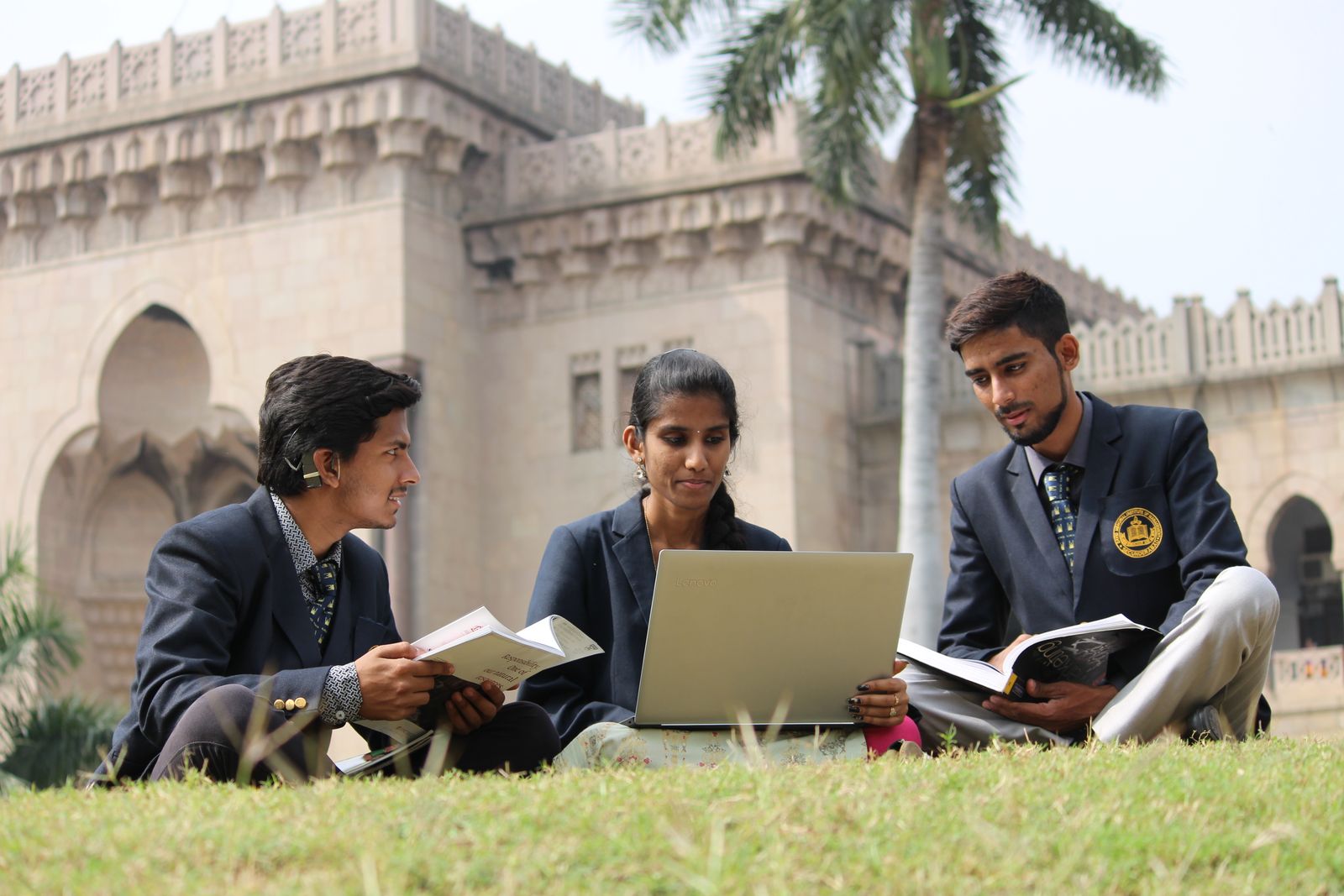
Practical habits built now can help Indian students handle first-year college independence with more confidence.
What skills should you develop before college in 2027?
Quick answer: Before entering college in 2027, build a foundation in independent learning, time management, communication, critical thinking, digital and AI literacy, research ethics, emotional resilience and financial awareness. You do not need to master all 25 skills at once. Begin with habits you can practise during your final months of school.
Grades help with applications, but day-to-day college readiness also means finding information independently, meeting deadlines, working with unfamiliar classmates and asking for support when required. The 25 skills below translate those broad expectations into specific actions you can start now.
| Start with | Why it matters | Do this this week |
|---|---|---|
| Independent learning | Lectures may provide direction rather than every answer | Explain a concept from memory and correct misunderstandings |
| Communication | Email, discussion, presentations and teamwork become routine | Write one concise email and give a two-minute explanation |
| Digital and AI literacy | Coursework often includes shared files and AI-supported tools | Organise a folder and check an AI answer against a source |
| Time and wellbeing | Competing deadlines require routines and boundaries | Create a simple weekly calendar with rest built in |
| Budgeting and independence | Travel, food, supplies and subscriptions cost money | Estimate a practical one-month student budget |
2027 planning note: This is a readiness guide for students expecting to enter college in 2027. It does not claim that every Indian university has the same curriculum, admission rules, AI policy or academic calendar.
Why do college-readiness skills matter for the 2027 intake?
College places more responsibility on students to manage assignments, seek feedback, navigate digital platforms and decide how to use their time. Whether you are joining an undergraduate programme, diploma, professional course or residential campus, the exact routine will differ by institution.
In India, the UGC undergraduate curriculum and credit framework describes a multidisciplinary approach and flexible learning pathways. This makes it useful to understand course choices, academic credits and programme rules rather than assuming every college follows one timetable.
Responsible AI literacy is another current requirement for informed learning. The UNESCO student AI competency framework identifies human-centred thinking, ethics, AI applications and AI system design as areas of competency. For a new college student, that begins with critical checking, privacy awareness and observing your institution’s academic-integrity rules.
The complete 25-skill college readiness checklist
Use this as a self-assessment, not a pass–fail score. Tick an area only when you can demonstrate the behaviour, rather than simply recognising the term. Revisit the checklist as you practise.
| # / Skill | What it means | Small practice task |
|---|---|---|
| 01. Learning how to learn | Understand ideas, test recall and use feedback | Explain one new concept without notes; check gaps afterwards. |
| 02. Time management | Plan realistic study and personal priorities | Set three priorities each week and put deadlines on a calendar. |
| 03. Communication | Express ideas clearly in writing and conversations | Write a clear question or email in five useful sentences. |
| 04. Digital skills | Use documents, research tools and learning platforms | Create an organised folder and a well-formatted shared document. |
| 05. Problem-solving | Define a challenge, test approaches and reflect | Try two solutions to one unfamiliar problem; compare outcomes. |
| 06. Critical thinking | Evaluate claims, evidence, assumptions and bias | Check an online claim against two credible original sources. |
| 07. Self-study | Study productively without constant supervision | Complete a 30-minute independent reading-and-recall block. |
| 08. Emotional intelligence | Recognise feelings and respond constructively | Identify one stress trigger and plan a helpful response. |
| 09. Social skills | Listen, collaborate and form healthy connections | Introduce yourself and ask one sincere follow-up question. |
| 10. Decision-making | Compare options and consider consequences | Use three criteria before accepting a new commitment. |
| 11. Reading and research | Skim, evaluate, annotate and synthesise sources | Summarise an article and note its author and evidence. |
| 12. Public speaking | Organise and deliver ideas with confidence | Deliver a two-minute introduction using a simple outline. |
| 13. Adaptability | Adjust to new teachers, rules and environments | Practise changing plans when a study session runs late. |
| 14. Professional behaviour | Be punctual, respectful and accountable | Send a polite email with a clear subject and purpose. |
| 15. Curiosity | Ask questions and explore beyond the syllabus | Keep a list of three questions you want to research. |
| 16. Self-discipline | Follow through without constant reminders | Keep one realistic habit for seven consecutive days. |
| 17. Organisation | Manage files, tasks, notes and deadlines | Name and sort digital notes by subject and topic. |
| 18. Note-taking | Capture and review key ideas efficiently | Turn one lecture video into a one-page summary. |
| 19. Asking questions confidently | Seek clarification early and respectfully | Prepare one specific doubt and ask for an explanation. |
| 20. Research skills | Find credible sources, cite and avoid plagiarism | Record complete details for two reliable references. |
| 21. Stress management | Balance workload, rest and support | Schedule breaks, sleep and a trusted person to contact. |
| 22. Responsible technology and AI use | Use AI to learn while checking and acknowledging outputs | Verify an AI-generated explanation against course material. |
| 23. Financial awareness | Track spending, budgeting and digital safety | Make a sample monthly college budget with a savings buffer. |
| 24. Assignment writing | Structure arguments, cite sources and revise | Write a short introduction, evidence paragraph and conclusion. |
| 25. Goal setting | Define meaningful short- and long-term directions | Choose one semester goal and an action for this week. |
1. Build learning, self-study, reading and note-taking skills
Six skills in the original list reinforce one another: learning how to learn (1), self-study (7), reading and research (11), note-taking (18), research (20) and assignment writing (24). A student who can research, understand and explain material is less dependent on last-minute memorisation.
- 1Preview and ask
Before reading, scan the headings and write down what you expect to learn.
- 2Study actively
After a short section, close the material and explain the key idea without looking.
- 3Capture useful notes
Record definitions, arguments, examples and questions—not every sentence from a lecture.
- 4Find and check sources
Prefer textbooks, university libraries and primary sources; record where each claim came from.
- 5Write in your own words
Build a short argument using evidence, credit sources and revise for clarity.

If you rely on repeated rereading, begin with the practical study-smart methods guide. For visual learners, our digital notes and mind-map guide provides additional ways to reorganise ideas.
2. Practise time management, self-discipline and organisation
Time management (2), self-discipline (16), organisation (17) and goal setting (25) are not about filling every hour. They are about choosing priorities, knowing what comes next and recovering when plans change.
| Habit | Before college | During the first semester |
|---|---|---|
| Weekly planning | Plan study, travel, personal time and a rest block | Check the LMS and deadlines every Sunday |
| Task breakdown | Turn a large task into research, draft and review steps | Set a personal deadline before the submission date |
| File system | Create named folders and back up important files | Maintain course, semester and assignment folders |
| Goals | Choose one academic and one personal goal | Review progress monthly and revise the plan |
A planner works only if you actually review it. Try a paper calendar or the digital planner and habit-tracking guide; choose whichever method is easiest to maintain.

3. Strengthen communication, public speaking and social skills
Communication (3), social skills (9), public speaking (12), professional behaviour (14) and asking questions confidently (19) affect seminars, laboratory groups, presentations and everyday college relationships.
Example email: “Subject: Clarification on Friday’s assignment. Dear Professor, I am reviewing the instructions for the group report. Could you please confirm whether we should include references in the word count? Thank you.” Adapt the tone and title to your actual institution.
To practise working with peers, explore the group-study and online collaboration guide.
4. Develop problem-solving, critical thinking and decision-making
Problem-solving (5), critical thinking (6), decision-making (10) and curiosity (15) help students judge unfamiliar situations rather than memorise one formula for every problem.
- 1Define the actual problem
Write down what you know, what you need to decide and what is uncertain.
- 2Identify evidence
Check primary sources, course notes, measurements or actual instructions.
- 3Compare reasonable options
List benefits, risks, limitations and what happens if a choice fails.
- 4Test, reflect and improve
Try the strongest approach, inspect results and update your thinking.
Campus example: If two elective subjects clash, do not choose solely because your friends prefer one. Check your degree requirements, prerequisite chains, timetable constraints and department advice first.
5. Prepare your emotional intelligence, adaptability and stress management
Emotional intelligence (8), adaptability (13) and stress management (21) matter because entering a new environment can involve homesickness, uncertainty, competition and a different pace of teaching. Feeling stressed does not mean you are unprepared; it means you may need practical support and adjustments.
Build a support map before college: one family member or friend, one academic contact, and your institution’s student-support or counselling services. If distress becomes intense, persistent or affects safety, seek qualified professional help rather than relying only on self-help tips.
For more study-specific coping ideas, see ways to manage exam stress and anxiety and digital minimalism and concentration habits.
6. Learn practical digital skills and responsible AI use for 2027
Digital skills (4) and smart technology/AI use (22) should be treated as core learning habits in 2027. You do not need expensive software. You do need to create documents, communicate safely, locate credible research and understand that AI-generated answers can be wrong or fabricated.
| Digital competency | Practical preparation | Important boundary |
|---|---|---|
| Documents and presentations | Format headings, comments, tables, sharing permissions and citations | Do not share editing access publicly by mistake |
| Research and source checking | Use library catalogues, scholarly search and official sites | A polished website is not proof of accuracy |
| Learning platforms | Track announcements, submissions and file formats | Follow the college’s platform and deadline rules |
| AI-assisted learning | Ask for practice questions, concept explanations or outlines | Verify content, protect data and follow course AI policy |
| Security and privacy | Use strong unique passwords and multi-factor authentication | Never upload another person’s private files to a public tool |
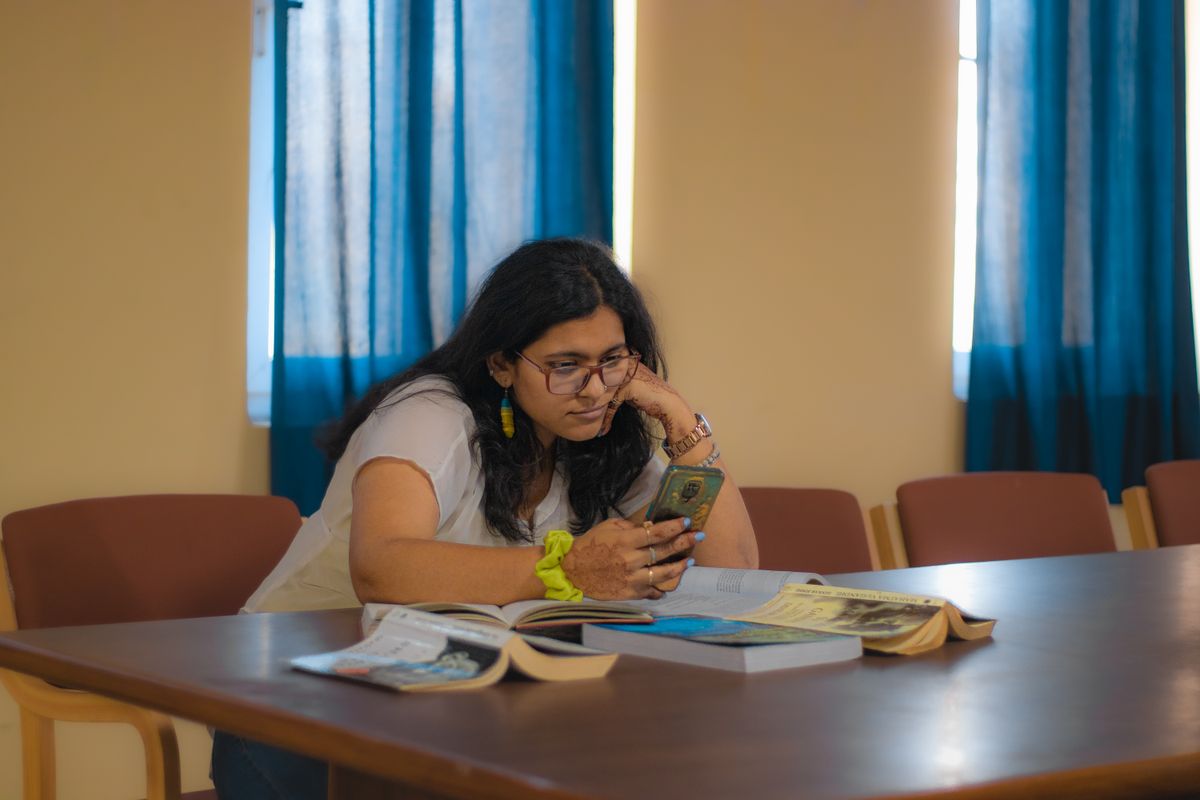
The UNESCO AI competency framework is a useful background reference. For an accessible starting point, see our guide to using ChatGPT for exam preparation; remember that your college can restrict or require disclosure of AI assistance.
2027 rule of thumb: Ask AI to help you understand a concept or practise, then produce your own work, verify every important factual claim and disclose assistance when required. Never assume a generated citation exists.
7. Build financial awareness before you leave school
Financial awareness (23) is often overlooked. College expenses can include transport, food, housing, mobile data, printing, books and irregular course requirements. Preparing a realistic budget helps you recognise spending patterns before you become dependent on small, repeated purchases.
| Budget category | Sample monthly amount (illustrative) | What to check |
|---|---|---|
| Transport | ₹1,200 | Travel distance, pass costs and frequency |
| Food / snacks | ₹2,000 | Canteen spending and home meals |
| Phone / internet | ₹400 | Data plan and shared Wi-Fi |
| Learning supplies | ₹600 | Printing, stationery and course needs |
| Savings buffer | ₹800 | Unexpected small expenses |
| Total | ₹5,000 | Example only; actual college and city costs vary widely |
Keep fees, hostel rent, major travel and tuition in separate budget categories if relevant. Compare digital payment notices with bank transactions, do not share OTPs, and be cautious of scholarship or fee-payment messages that do not match the institution’s official channels.
8. Write assignments with academic integrity
Research and assignment writing (20 and 24) work together. A polished submission is not just well-formatted: it makes a clear claim, supports that claim with appropriate evidence and acknowledges sources.
- 1Read the task brief
Identify the question, expected output, word count, deadline and marking guidance.
- 2Collect trustworthy material
Use the library, prescribed readings and credible original sources.
- 3Build an outline
Arrange introduction, supporting sections, examples and conclusion.
- 4Cite and attribute
Record author, title, publisher or journal, URL and access date as relevant.
- 5Check originality and accuracy
Paraphrase correctly, quote when necessary and follow institutional AI rules.
Avoid the common mistake of copying paragraphs into a document and adding references at the end. The citation must genuinely support the exact claim made. Follow the citation style requested by your college, which might be APA, MLA, IEEE or a department-specific format.
Which five skills should you practise first?
If 25 skills feel overwhelming, begin with the five habits that make the others easier: learning how to learn, time management, communication, critical thinking and responsible digital use. This is a practical starting priority, not an official ranking or evidence-based universal hierarchy.
| Priority | One observable sign of improvement |
|---|---|
| 1. Active learning | You can summarise a topic accurately without copying |
| 2. Time management | You meet one self-set deadline without a reminder |
| 3. Communication | You can ask a precise question in class or email |
| 4. Critical thinking | You can explain why a source is credible or weak |
| 5. Responsible digital use | You organise files and verify AI-assisted material |
How do college-readiness skills differ by course?
The foundational skills apply to Science, Commerce, Humanities, Design, Law and vocational pathways, but the context can change. You can practise with school assignments that resemble the work you expect to do later.
| Area of interest | Skill combination | Try before college |
|---|---|---|
| Engineering and computing | Problem-solving, digital tools, teamwork | Explain and test a small project or code example |
| Biology and health fields | Research literacy, communication, ethics | Summarise a scientific article without exaggerating results |
| Commerce, management and economics | Financial literacy, writing, data interpretation | Create a basic monthly budget and explain the assumptions |
| Law, social sciences and humanities | Critical reading, source evaluation, speaking | Compare two arguments using supporting evidence |
| Design and media | Curiosity, creativity, presentation, organisation | Build and present a small portfolio project |
If you are preparing application materials, the Class 12 portfolio guide for college admissions can help you document real projects and interests without exaggerating achievements.
Your 30-day college-readiness action plan for 2027
Use this four-week plan in late 2026 or ahead of your actual 2027 college start date. It is deliberately low-cost and can fit alongside board examinations or entrance-test preparation. Scale it down during examination weeks.
| Week | Main practice | Evidence that you did it |
|---|---|---|
| Week 1: Learning | Read actively for 20–30 minutes on four days; write a one-page summary | One corrected concept note and two cited sources |
| Week 2: Organisation | Create digital folders, make a weekly timetable and draft an email | A clean folder system, calendar and polished email |
| Week 3: People and decisions | Deliver a two-minute talk, ask one question and solve a real problem | A short presentation and decision comparison |
| Week 4: Life skills | Build a budget, learn campus services and practise AI verification | One budget, a support-contact list and checked AI output |
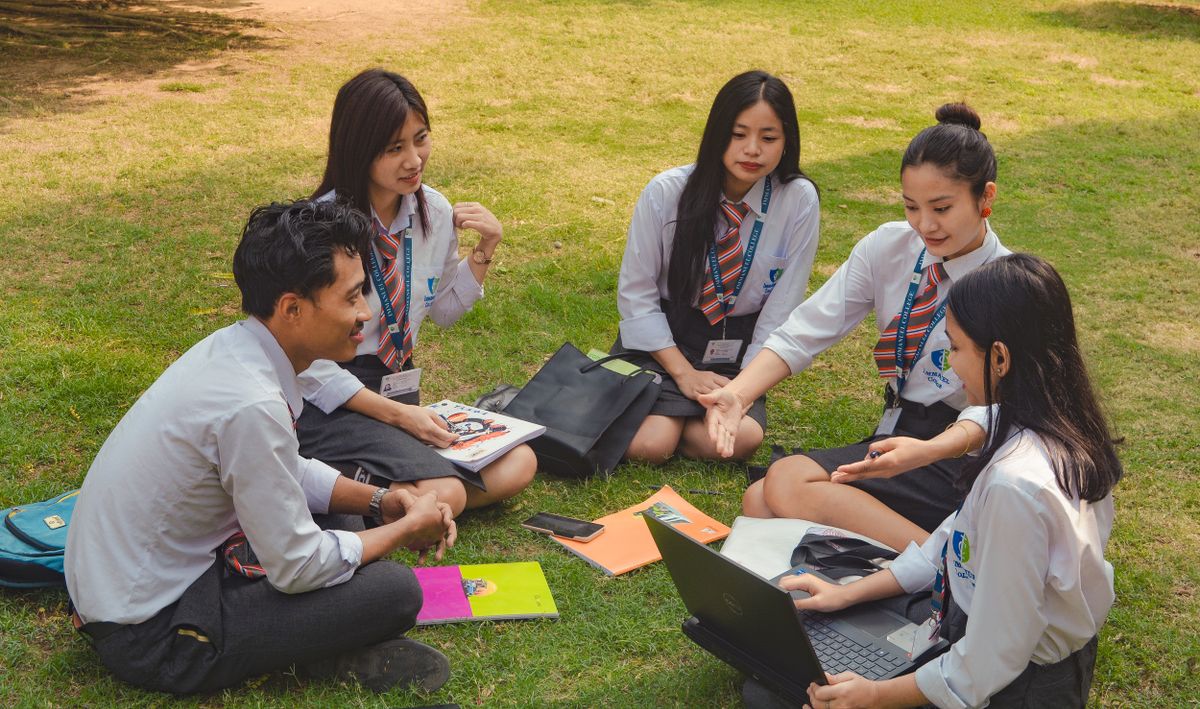
After 30 days, choose three skills to strengthen further. Improvement should be visible in work you can show, not just in a completed checklist.
First-week college checklist: what to verify in 2027
Once your college confirms admission or orientation arrangements, use its official 2027 intake information. Do not rely on a previous batch’s screenshots or assume that 2026–27 policies remain unchanged.
The details above are general planning categories, not published 2027 requirements of any particular university. Always check the newest institution-specific announcements.
Common mistakes students should avoid before college
| Mistake | Better alternative |
|---|---|
| Buying many productivity apps before building a routine | Use a simple calendar and notes tool consistently |
| Assuming perfect English is required | Practise clear, polite communication in the language needed |
| Mistaking AI fluency for understanding | Verify outputs and be able to explain the reasoning yourself |
| Collecting certificates without applying learning | Build small projects that show how you used a skill |
| Ignoring sleep and support to appear productive | Protect wellbeing and know whom to contact |
| Believing every college has identical rules | Read current official institution documents |
| Practising only your strongest subject | Develop the transferable skills you avoid |
Remember: readiness is not the same as perfection. You are preparing to keep learning once college starts, not proving that you already know everything.
Reliable official resources for learning in 2027
The following are existing sources you can use now; they do not establish yet-to-be-announced 2027 university admission schedules.
| Official resource | What it can help you do |
|---|---|
| University Grants Commission: undergraduate framework | Understand flexible programme structures and why local college rules matter |
| UGC initiatives and academic integrity | Find official higher-education policy background |
| UNESCO: AI Competency Framework for Students | Learn why AI ethics, evaluation and agency belong in digital literacy |
| SWAYAM official learning platform | Explore online course subjects and study skills |
| SWAYAM official FAQs / credit transfer | Understand that course credit recognition depends on the institution and relevant rules |
SWAYAM offers online courses; individual course availability, assessment fees and credit recognition can differ. Check the current course page and your own college before paying for a certificate or assuming credits will transfer.
Frequently asked questions about college-readiness skills in 2027
These short answers cover the questions students often ask about first-year readiness, AI, communication and personal independence.
What are the most important skills to learn before college in 2027?
Start with active learning, time management, communication, critical thinking and responsible digital skills. Build emotional resilience, research integrity, teamwork and money awareness as you practise them.
Do I need to develop all 25 skills before college?
No. The list is a roadmap, not an entry requirement. Choose three to five high-impact habits, practise them consistently and continue improving after joining college.
How can Class 12 students prepare for college while studying for boards?
Keep the extra workload small: add one weekly planning session, one short communication activity and a few active-recall exercises alongside normal schoolwork.
What digital skills should freshers know in 2027?
Know how to create documents and presentations, organise and share files safely, search credible sources, use a learning platform, and protect passwords and personal data.
Can college students use ChatGPT or other AI tools for assignments?
That depends on the institution and the task. AI can support explanation and practice, but students must verify facts, protect privacy and follow plagiarism, citation and disclosure rules.
How do I improve communication if my English is not perfect?
Focus on clear sentences, listening, vocabulary specific to your subject and respectful questions. Confidence improves through regular practice; a perfect accent is not required.
What financial skills should a first-year student learn?
Track essential spending, distinguish needs from wants, build a realistic monthly budget, plan a small buffer and recognise suspicious payment or scholarship requests.
Are online course certificates necessary before entering college?
Not usually. A relevant online course may help you explore a subject, but practical understanding matters more than collecting certificates. Verify credit acceptance with your college.
How can shy students improve social skills before college?
Begin with small conversations, ask genuine follow-up questions, join an interest-based activity and gradually practise speaking in a group. You do not need to be extroverted.
Does every college follow the same 2027 AI and academic credit rules?
No. University regulations, degree structures, AI policies and academic calendars can vary. Use the latest official information for your programme and 2027 intake.
How much time should I spend developing these skills?
There is no official number. Two to four short practice sessions each week can be a manageable starting point, adjusted to your exams, rest and other responsibilities.
What should I do in the month before college starts?
Organise documents, review official onboarding instructions, practise note-taking and budgeting, prepare a support-contact list, and try a four-week skill-building routine.
Start with habits you can repeat—not skills you only list
The most valuable preparation for college is a repeatable way to learn, ask questions, organise your time and adapt when something changes. Use the 25-skill checklist to identify gaps, then practise a few of them in real schoolwork and everyday life.
Next step: Choose one learning skill, one people skill and one independence skill. Record one example of how you used each during the next seven days. That gives you a realistic foundation to build on throughout college in 2027.