
How to Build a Class 12 Portfolio for College Admissions
A strong Class 12 portfolio is a curated record of meaningful projects, skills, activities, evidence and reflection. It can strengthen applications where a college considers extracurricular engagement, projects, achievements, essays or interviews, but it does not replace marks, entrance-test scores or other mandatory admission criteria. The strongest portfolio shows what you did, how you did it, what changed, and what you learned.
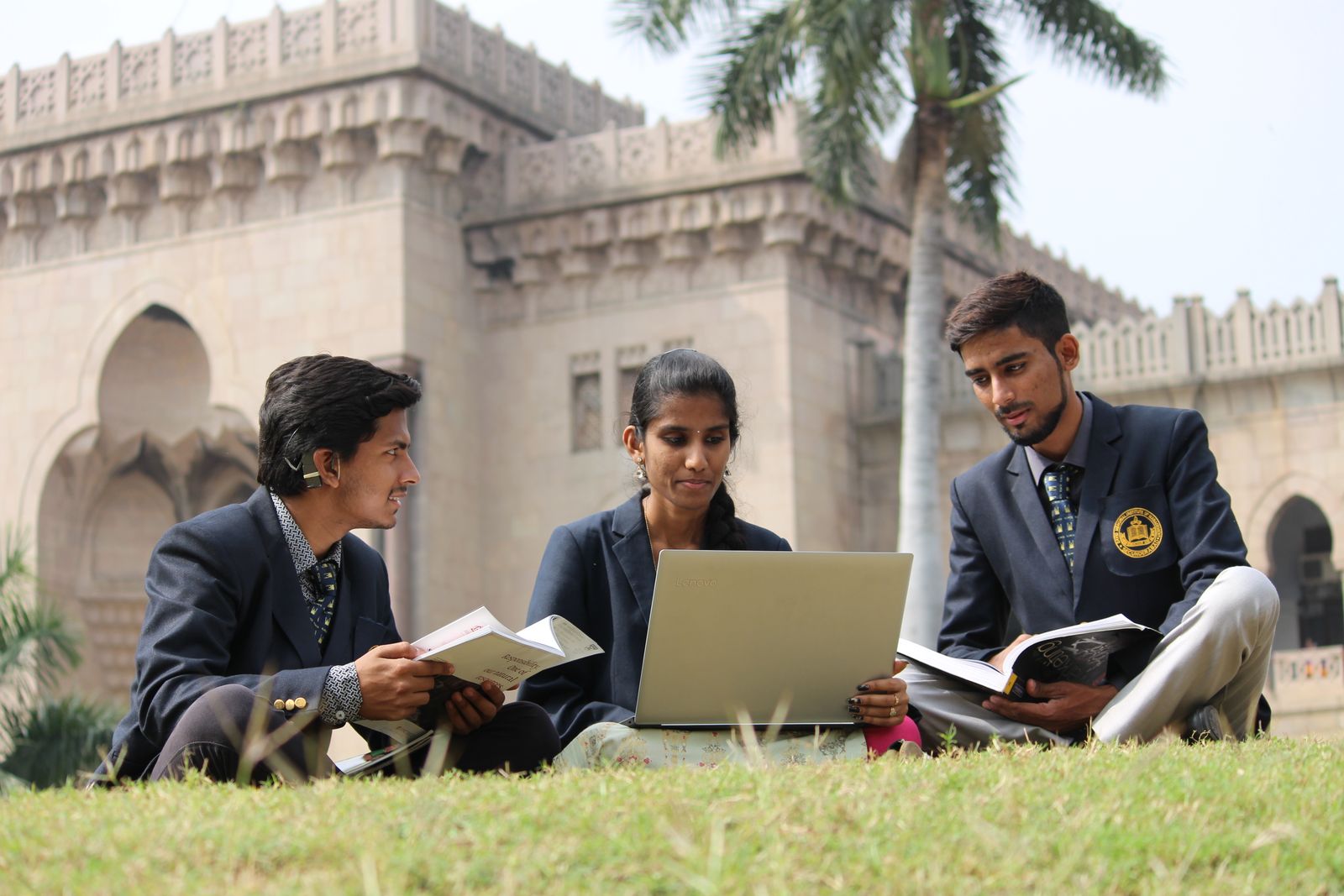


Class 12 is an important year in every student’s life. A portfolio can help make your work visible beyond marks by showing effort, consistency, creativity, problem-solving and growth. But its role depends on the college and course. Some institutions use holistic admissions, while others rely mainly on entrance scores, board marks or programme-specific tests. Always check the current official admission criteria before treating a portfolio as a required part of your application.
The goal is not to collect every certificate. The goal is to organise the work that best represents your interests, progress, skills and learning journey in a clear, authentic way.
What Is a Student Portfolio?
A student portfolio is an organised selection of work that demonstrates what you have learned, created, improved or contributed over time. It can be a PDF, a simple website, a folder of selected evidence, or a course-specific creative portfolio when an institution asks for one.
A useful Class 12 portfolio can showcase:
- Academic or personal projects with clear learning outcomes.
- Evidence of skills developed over time.
- Improvement across drafts, versions or repeated attempts.
- Extracurricular involvement where your role and contribution are clear.
- Short reflections explaining challenges, decisions and learning.
Quality matters more than quantity. A short portfolio with a few well-documented pieces is usually more useful than a large file filled with unrelated certificates or weak evidence.
Does a Portfolio Matter for Every College Admission?
No. A portfolio is not a universal requirement for undergraduate admission in India. Its value depends on the institution, programme and selection model.
| Admission model | Current example | What the official process considers | What this means for your portfolio |
|---|---|---|---|
| Holistic application example | Ashoka University | Current admissions information says applicants are evaluated on academics, extracurricular activities, interests and potential; projects and research may contribute where applicable. | Portfolio-style evidence can help organise relevant work, but the university uses a broader holistic process. |
| Multi-factor application example | FLAME University | Its 2026 undergraduate selection information lists academic record, extracurricular achievements, statement of purpose, admission test and personal interview. | A portfolio can help you prepare evidence and examples, but it is not the only selection factor. |
| Rule/score-driven example | University of Delhi | The 2026-27 undergraduate admissions system follows official programme-specific admission rules, including CUET/CSAS and specified alternatives. | A general portfolio should not be assumed to replace required scores or formal admission rules. |
Current admissions examples are included only to show why students should verify the rules for each target college. Requirements can change by year and programme. [1][2][3]
Why Class 12 Is Still a Good Time to Start
Starting earlier can give you more material to choose from, but Class 12 is not too late. You can still build a strong, honest record by documenting work consistently instead of trying to create everything just before applications.
A practical approach is to update the portfolio every week or after each meaningful activity. Small updates add up: a new project version, a revised essay, a competition entry, a coding feature, a research note, an event you helped organise, or a reflection on what changed.
a direction
meaningful work
the process
learning
the college

Choose a Clear Direction
A portfolio works best when there is a visible thread connecting the work. You do not need to decide your entire career in Class 12, but a clear area of interest makes the portfolio easier to understand.
Possible focus areas include:
- Science and research-based projects.
- Technology and coding projects.
- Business, finance or entrepreneurship projects.
- Creative writing, arts, design or media work.
The purpose is not to force everything into one theme. It is to help an admissions reader understand what genuinely interests you and where you have invested effort over time.
Create Projects That Show Thinking, Not Just Activity
Projects are one of the strongest parts of the original article because they turn claims about skills into visible evidence. A project does not have to be expensive or large-scale. It should show a real question, a process, a result and what you learned.
Every effective project should include:
- A clear problem or question.
- A process showing how you approached it.
- A result, output or outcome.
- Evidence that supports what you say you did.
- A short reflection on what you would improve next time.
| Focus area | Original-style project idea | Evidence to document |
|---|---|---|
| Science | Test local water quality or investigate a small science question. | Method, observations, data table, photos, conclusion, limitations. |
| Commerce | Create a basic budget or cash-flow system for a small enterprise or student event. | Spreadsheet, assumptions, categories, calculations, final summary. |
| Humanities | Conduct a small research survey on a social issue. | Questionnaire, anonymised responses, summary, reflection on limits. |
| Technology | Build a simple website, program or data project. | Screenshots, version history, code link where appropriate, explanation of features. |
| Creative/Media | Create a writing, art, design, photography or media project. | Selected work, drafts, creative decisions, feedback, final version. |
Document Your Work Properly
Good work can become difficult to evaluate if there is no record of how it developed. Documentation makes the process visible and helps you show progress honestly.
Keep evidence such as:
- Photos of handwritten drafts, sketches or prototypes.
- Screenshots of digital work and progress.
- Earlier versions that show how the work improved.
- Short notes about decisions, feedback and corrections.
- Links to public work only when the link is relevant and safe to share.
For every major item, answer three questions:
- What challenge did I face?
- What did I change or correct?
- What skill or insight did I develop?
Use Reflection to Turn Work Into a Story of Growth
Reflection is what changes a portfolio from a storage folder into a record of learning. The original article correctly emphasised that students should explain mistakes, changes and learning instead of presenting only polished final outcomes.
Keep reflection short and specific. For each important project, explain:
- What you were trying to do.
- What went wrong or became difficult.
- How you responded.
- What changed in the final version.
- What you learned about the subject, the process or yourself.
Show Extracurricular Depth, Not a Long Membership List
Extracurricular activities become more meaningful when your role, consistency and contribution are clear. A long list of memberships says less than sustained involvement that shows responsibility or initiative.
Useful evidence may include:
- Long-term involvement in an activity.
- Leadership or initiative.
- A concrete contribution or outcome.
- Mentoring juniors.
- Organising an event or managing a responsibility.
Where a college asks for certificates or proof, follow its exact upload and documentation rules rather than creating your own format.
Choose a Simple Portfolio Format
A portfolio does not need expensive software or flashy design. Clarity, navigation and evidence matter more than decorative effects.
| Format | When it works well | What to watch |
|---|---|---|
| PDF portfolio | Simple, portable and easy to submit when a college accepts uploaded documents. | Keep file size reasonable; use a clear contents page and consistent headings. |
| Google Sites | Useful for a simple web-based portfolio with pages, text, images and linked files. [4] | Check sharing settings carefully before sending the link. |
| WordPress.com | Can be used for a simple public portfolio; a free plan is available, with paid upgrades for additional features. [5] | Avoid publishing private documents or unnecessary personal information. |
| Subject platform | For some fields, a relevant platform may be useful—for example GitHub for code or Behance for visual work. | Use only when the platform matches the work and the college accepts links. |

A Strong Portfolio Structure
| 1. Short introduction | Your name, area of interest and one or two sentences about what the portfolio contains. |
| 2. Selected projects | Only the strongest and most relevant work. |
| 3. Evidence and process | Drafts, screenshots, data, versions, photos or links. |
| 4. Reflection | Challenges, changes, skills and learning. |
| 5. Activities and contributions | Extracurricular work where your role is meaningful. |
| 6. Closing summary | What the work shows about your interests and readiness to learn further. |
Common Portfolio Mistakes to Avoid
| Mistake | Better approach |
|---|---|
| Collecting everything | A portfolio is a curated selection, not an archive of every certificate. |
| Copying online content | Admissions work should be authentic and attributable. |
| Over-explaining achievements | Use evidence and concise context instead of exaggerated claims. |
| Weak grammar or navigation | Proofread and make it easy to move through the portfolio. |
| No reflection | A final product without the learning process tells only part of the story. |
| Ignoring admission rules | Never assume a college wants a portfolio; check the official requirements first. |
| Publishing private information | Do not expose personal addresses, IDs, private school records or sensitive information in a public portfolio. |
Class 12 Portfolio Checklist
Key Takeaway for Class 12 Students
A portfolio is not extra work for the sake of appearance. It is a structured way to make your learning, effort and growth visible. You do not need perfection. You need consistency, structure and honesty. Start small, document progress, reflect on each project and choose depth over breadth.
A strong portfolio cannot guarantee admission, and it cannot replace mandatory scores or entrance requirements. But where a college asks about projects, activities, achievements, essays, interviews or creative work, a well-organised portfolio can help you present genuine evidence of how you think, create, learn and improve.
Frequently Asked Questions
Do all colleges require a Class 12 portfolio?
No. Requirements vary widely by institution and course. Some colleges use holistic applications, some creative programmes have discipline-specific requirements, and many admissions systems rely mainly on entrance scores or formal eligibility rules. Always check the official admission page for the year you apply.
Is Class 12 too late to start a portfolio?
No. Class 12 can still be a practical time to start if you document work consistently. If you already have earlier projects or activities, include only the strongest relevant evidence.
How many projects should I include?
There is no universal number. Include enough work to demonstrate depth and range without adding weak or repetitive material. Quality and relevance matter more than volume.
Should I include certificates?
Include certificates when they verify a meaningful activity or when the college asks for them. Certificates alone are not a substitute for explaining your role, process and learning.
Is a PDF or website better?
Use the format that matches the college’s submission rules. A PDF is simple and portable; a website can be useful when links, media or ongoing work need to be shown.
Can I include a project that did not work perfectly?
Yes, if it is relevant and you can explain what happened, what you changed and what you learned. Honest reflection can show problem-solving and maturity.
Should I make one portfolio for every college?
Keep one master portfolio, then curate a shorter version for each application so the evidence matches the programme and the college’s requirements.